Master’s in the Netherlands 101
A complete roadmap for the September 2027 intake — eligibility, costs, scholarships, the application timeline, visa and housing — with guest speaker Sai Susrush Kadiyala, MSc student at TU Delft.

This webinar has finished. The main points are written out below, and our next free session is on the webinars page.
The whole Dutch application, in order
The September 2027 intake, month by month
This is the rough order of play from the session. Every university sets its own dates, and scholarship deadlines often close first — so treat this as a guide and check each programme’s page.
Shortlist programmes, take IELTS or TOEFL, ask for recommendation letters, and draft your motivation letter.
Apply through Studielink and the university’s own portal. Some scholarship deadlines fall as early as December or February.
Admission decisions arrive. Accept your offer and pay the tuition deposit.
The university starts your visa (MVV and residence permit) with the IND. Start looking for housing the day you are admitted.
Collect the visa, sort out health insurance, finalise housing and travel.
Four mistakes that cost people a year
Your speakers
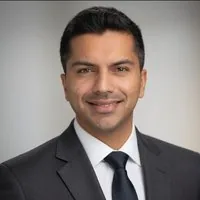
Sai is doing his MSc at TU Delft and went through the whole Dutch application himself — credit matching, the motivation letter, the money planning and the visa. His advice from his own application: line up your coursework with the Dutch credit requirements early, keep the motivation letter clear and simple, take the financial planning seriously, and apply early, because non-EU visa and scholarship deadlines come first.
Deepak did his PhD at LMU Munich as a DAAD scholar after studying at IIT Bombay, and works as a research scientist in Munich. He founded Emerging Scholars Council to help students find funded PhD and Master’s places abroad, and today is also President of DAAD IndiAlumni, a registered non-profit association of Indian and German DAAD alumni.
Quick answers
Is a 3-year Indian bachelor’s accepted in the Netherlands?
Generally yes, through the Nuffic equivalency, but some technical and engineering programmes ask for a 4-year degree or bridging courses. Check each university’s requirements page.
What does a master’s in the Netherlands cost?
For non-EU students, tuition is roughly €13,000 to €22,500 a year, depending on the university and field, plus living costs.
Are there scholarships?
Yes. The NL Scholarship is a one-time €5,000 for non-EEA students, with deadlines set by each university. Many universities also run their own merit scholarships.
Do I need the GRE?
Not for most Dutch programmes. A few business or quantitative programmes ask for the GRE or GMAT.
Can I stay and work after graduating?
Yes. The orientation year visa gives you a year to look for work or start a business, and you can use it within three years of graduating.
We also mentor people through the whole thing
The webinars are free and always will be. If you would rather not apply alone, the Masters Launchpad pairs you with a mentor who has made this journey, and stays with you until you have an offer.