PhD Opportunities Across Europe
A free webinar for MetaGate’s BTech and MTech students in metallurgical and materials engineering: how to find fully funded PhD positions in Europe, whether to do a master’s first, and how to approach professors.
This webinar has finished. The main points are written out below, and our next free session is on the webinars page.
Built for metallurgy and materials engineers
Master’s first, or straight to a PhD?
The honest answer depends on the country, and on what you already have:
Normally expects a master’s degree before a PhD. If you have an MTech, you can apply now; with a BTech, a funded master’s comes first.
Varies by university. Some accept a strong bachelor’s with research experience; many prefer a master’s.
Funds PhDs straight from a bachelor’s, but programmes are longer and admission runs on fixed yearly cycles.
Look beyond universities: Max Planck, Fraunhofer and Helmholtz institutes in Germany run a lot of materials research and train many PhD students.
Fatima’s own route — a master’s in Germany, then a PhD in materials science in the UK — shows how the two can combine.
Your speakers
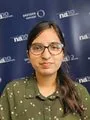
Fatima did her Master’s in Germany and is now doing a PhD in materials science at Loughborough University in the UK — a place she won in 2025 with ESC’s mentorship, before joining as a mentor herself. Her route — India, then Germany, then the UK — answers a question many engineering students ask.
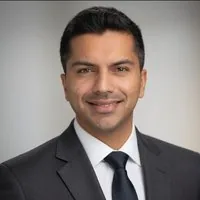
Deepak did his PhD at LMU Munich as a DAAD scholar after studying at IIT Bombay, and works as a research scientist in Munich. He founded Emerging Scholars Council to help students find funded PhD and Master’s places abroad, and today is also President of DAAD IndiAlumni, a registered non-profit association of Indian and German DAAD alumni.
Quick answers
What is MetaGate?
MetaGate is a coaching institute in Hyderabad for GATE metallurgy and materials students. This free session was run for its students.
Can a BTech student apply for a PhD in Europe?
In some countries, yes — the UK can be an option, and the US funds PhDs straight from a bachelor’s. Germany normally expects a master’s first.
Does ESC run sessions like this for other institutes?
Yes, free of charge. We bring the speaker, the slides and the registration page. Write to us to find a date.
We also mentor people through the whole thing
The webinars are free and always will be. If you would rather not apply alone, our PhD mentorship pairs you with a researcher in your field who stays with you until you have a funded offer.