PhD in Europe
How to get into a funded PhD at a European university — the process, a strong CV and motivation letter, and how to raise your chances — with guest speaker Dr. Ghulam Abbas, joining from Canada.

This webinar has finished. The main points are written out below, and our next free session is on the webinars page.
One continent, many systems
How PhD funding differs from country to country
“PhD in Europe” sounds like one thing. It is not. How you are paid, and what you sign, changes at every border. A quick map:
Most PhDs are paid — either as an employee on a contract (often part-time on the public-sector TV-L E13 scale; the percentage is in the advert) or through a scholarship such as DAAD’s. Public universities charge no tuition for doctoral studies, only a semester contribution.
PhD candidates are usually employees of the university. From 1 July 2026 the Dutch university pay scale for PhD candidates runs from €3,204 to €4,051 a month (gross), plus holiday pay and a year-end bonus.
Funded PhDs come as “studentships”. The UKRI minimum stipend for 2026/27 is £21,805 a year. Check whether the studentship covers international fees, not just home fees.
Often overlooked, and worth a look. Dr. Abbas did his PhD at Charles University in Prague, and several ESC students have won PhD places there.
Figures were checked against the official pay tables and UKRI’s published rates in 2026. They change every year, so always check the advert.
Your speakers
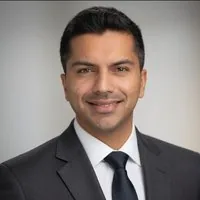
Ghulam did his PhD at Charles University in Prague and went on to postdoctoral research in Canada. He mentors chemistry applicants at ESC, and joined this session from Canada to explain how PhD admission in Europe looks from the applicant’s side — including in countries most applicants never think about.
Deepak did his PhD at LMU Munich as a DAAD scholar after studying at IIT Bombay, and works as a research scientist in Munich. He founded Emerging Scholars Council to help students find funded PhD and Master’s places abroad, and today is also President of DAAD IndiAlumni, a registered non-profit association of Indian and German DAAD alumni.
Quick answers
Can I do a PhD in Europe straight after a bachelor’s?
It depends on the country. Germany normally expects a master’s first. In the UK it varies by university. A strong master’s thesis is the most common route in.
Is a PhD in Europe free?
Most funded PhDs in Europe charge no tuition or have it covered, and pay you a salary or stipend. Self-funded PhDs exist too — read the advert carefully.
Which country should I target?
Start from your research topic and find the groups doing that work, wherever they are. The country follows from the lab, not the other way round.
We also mentor people through the whole thing
The webinars are free and always will be. If you would rather not apply alone, our PhD mentorship pairs you with a researcher in your field who stays with you until you have a funded offer.