PhD in Germany
Emerging Scholars Council’s very first webinar: how a funded PhD in Germany works, where to find positions, and the DAAD route — for students applying from India.
This webinar has finished. The main points are written out below, and our next free session is on the webinars page.
An hour on the basics, for people starting from zero
The five questions that came up most
When students registered, we asked them what they wanted to ask a mentor. The same five questions came up again and again. Here is the short version of the answers — they are still the questions we hear most today.
No. A publication helps, and it can make up for weaker grades, but it is not a requirement. What professors read first is your research experience — a thesis project, an internship, lab work.
Both routes exist in Germany. For an individual PhD you approach the professor; for a structured programme you apply to the graduate school by its deadline. Many students do both at the same time.
It is harder, but a master’s thesis already counts. If your profile is thin, an internship or a research assistant role before you apply makes a real difference.
Grades matter, but strong research experience can compensate for average marks. IELTS or TOEFL is not compulsory for many positions — check each advert, because some do ask for it.
Start from your research topic, not from a university ranking. Read recent papers in your area, note who wrote them, and check those groups’ websites for open positions.
Your speaker
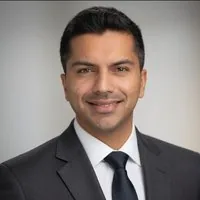
Deepak did his PhD at LMU Munich as a DAAD scholar after studying at IIT Bombay, and works as a research scientist in Munich. He founded Emerging Scholars Council to help students find funded PhD and Master’s places abroad, and today is also President of DAAD IndiAlumni, a registered non-profit association of Indian and German DAAD alumni.
Quick answers
Was this ESC’s first webinar?
Yes. It ran on 9 September 2023 and 113 students registered. It started the free webinar series that has continued since — every session is listed on our webinars page.
Do I need to speak German to do a PhD in Germany?
For most science PhDs, no — English is the working language in most research groups. Some German helps a lot in daily life, and a few programmes do ask for it, so read the advert.
Is a PhD in Germany free?
Public universities do not charge tuition for doctoral studies; you pay a semester contribution, usually somewhere between €70 and €330. Most PhDs are also paid — through an employment contract or a scholarship.
We also mentor people through the whole thing
The webinars are free and always will be. If you would rather not apply alone, our PhD mentorship pairs you with a researcher in your field who stays with you until you have a funded offer.